



What is the working principle of a gas density pressure gauge
Time of Release : 2025-11-27


You may have learned about the density of water in middle school, but did you know that the density of gases can also be measured? Isn’t that interesting? Of course, if you work in industrial measurement, you’ve likely encountered gas density pressure gauges. But what exactly is one, and how does it work? This specialized pressure gauge is an important tool for measuring the density of gases under different pressure conditions. This article will explore the working principle, operation, and applications of gas density pressure gauges in various industries.
-
What is a Gas Density Pressure Gauge?
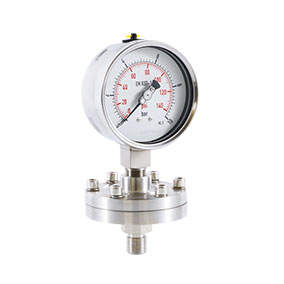
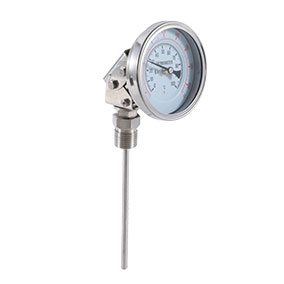
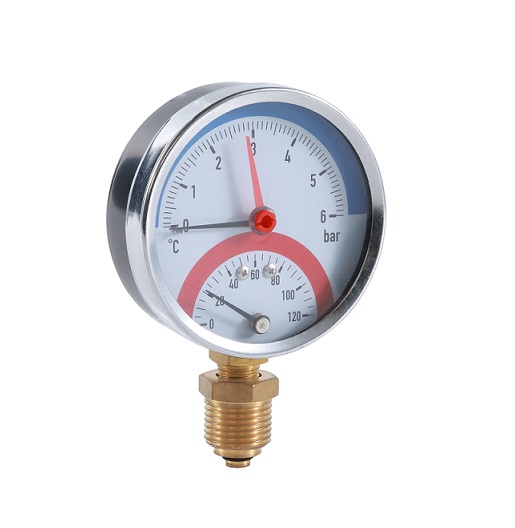
A gas density pressure gauge is a device that determines the density of a gas by measuring the pressure within a sealed environment. It is commonly used in industries requiring precise monitoring of gas properties, such as chemical plants, oil refineries, and HVAC systems. By calculating the gas density, this gauge can provide crucial information about the performance and efficiency of gas-related systems.
Unlike traditional pressure gauges that only measure gas pressure, gas density pressure gauges are designed for situations where gas density plays a critical role in system performance. Measurement is essential for systems handling gases at different pressures, ensuring the system’s safety, efficiency, and proper operation.
-
How Does a Gas Density Pressure Gauge Work?
At its core, a gas density pressure gauge operates on a simple yet effective concept. The working principle is that the density of a gas is directly proportional to its pressure and temperature. This relationship is based on the ideal gas law, which states that for a given volume, the pressure and temperature of a gas are related to its density.
In practice, a gas density pressure gauge uses a pressure sensor to measure the gas pressure within a system. It then applies a mathematical model (typically based on the ideal gas law or the actual gas equation) to calculate the gas density. By taking temperature and pressure conditions into account, the gauge can output an accurate density reading.

-
Working Principle: Step-by-Step Process
The following is how a gas density pressure gauge works in a typical scenario:
Step 1: Gas Pressure Measurement -The pressure of the gas within the system is measured using a built-in sensor.
Step 2: Temperature Measurement-A temperature sensor within the gas density gauge also reads the gas temperature, as temperature is a key variable in determining gas density.
Step 3: Density Calculation—The gas density gauge uses the pressure and temperature data to calculate the gas density using a predefined algorithm (typically based on the gas law).
Step 4: Output—The pressure gauge outputs the gas density value, typically displayed on a digital display or analog dial for easy interpretation.
This step-by-step process allows gas density pressure gauges to provide highly accurate and reliable readings, even in complex industrial environments.
-
Applications of Gas Density Pressure Gauges
Chemical and Petrochemical Plants: In these industries, maintaining the correct gas density is crucial for ensuring safe and efficient operation. Gas density pressure gauge helps monitor the performance of gas compressors, reactors, and pipelines.
HVAC Systems: For heating, ventilation, and air conditioning systems, maintaining appropriate gas density is critical for system efficiency and energy consumption.
Natural Gas Industry: Gas density gauges are used to monitor natural gas pipelines, ensuring that the density of the transported gas is within safe limits.
Environmental Monitoring: Used to track the density of various gases in air quality control and pollution monitoring systems.
-
Importance of Gas Density
Understanding gas density is crucial because it affects gas flow efficiency, combustion processes, and gas behavior in pipelines. For example, in natural gas systems, maintaining the correct gas density can prevent problems such as blockages, pressure fluctuations, or leaks. In HVAC systems, proper gas density ensures optimal cooling or heating performance. Therefore, for systems involving gases, understanding gas density is just as important as understanding pressure.
In 2021, a fire occurred due to a malfunctioning gas density gauge. In a chemical plant’s gas delivery system, a gas density gauge was used to monitor ammonia density. However, because the sensor was not properly calibrated, the device falsely reported an excessively high gas density. Operators mistakenly believed the pressure in the pipeline was too high and performed incorrect venting operations. As a result, ammonia leaked into the plant environment, reacted with sparks, and caused a fire. Therefore, choosing a reliable gas density gauge and conducting regular, thorough equipment inspections are crucial.
Anhui Yige Instrument Co., Ltd. is an international instrument manufacturer. We are dedicated to designing, manufacturing, and selling various pressure gauges, valves, and related products. Whether you need a gas density pressure gauge or other instruments, we are ready to provide high-quality products and excellent service to both new and existing customers. Please feel free to contact us for more information!