



How to Choose the Right Pressure Gauge Adapter?
Time of Release : 2026-01-04


In industrial and laboratory environments, pressure gauge adapters are crucial components connecting pressure measuring instruments to the measured medium. Proper adapter selection not only ensures measurement accuracy but also effectively prevents leaks and equipment damage. With the increasing demand for pressure measurement across various fields, understanding how to choose the right pressure gauge adapter is paramount. This article provides practical reference information from three aspects: working principle, main classifications, and selection guidelines.
I. Working Principle of Pressure Gauge Adapters
The main function of a pressure gauge adapter is to connect the pressure gauge to the device or piping system under test, forming a complete measurement loop. Its working principle is based on fluid dynamics. The adapter fixes the pressure gauge in the appropriate position by connecting interfaces of different sizes and types. When a medium (such as gas or liquid) enters the pressure gauge through the adapter, the pressure change causes the sensor inside the instrument to generate an electrical signal. This signal is processed and displayed as the real-time pressure value. The adapter must be designed to withstand the pressure of the measured medium while preventing leakage and protecting the pressure gauge and other equipment.
II. Main Classifications of Pressure Gauge Adapters
Pressure gauge adapters can be classified into several types based on different standards such as materials, connection methods, and application areas:
Classification by Material:
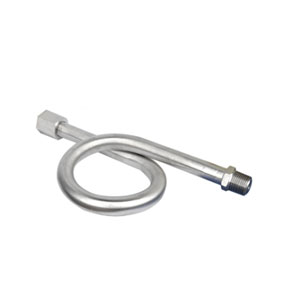
Stainless Steel Adapters: Highly corrosion-resistant, suitable for chemical, food, and other industries.
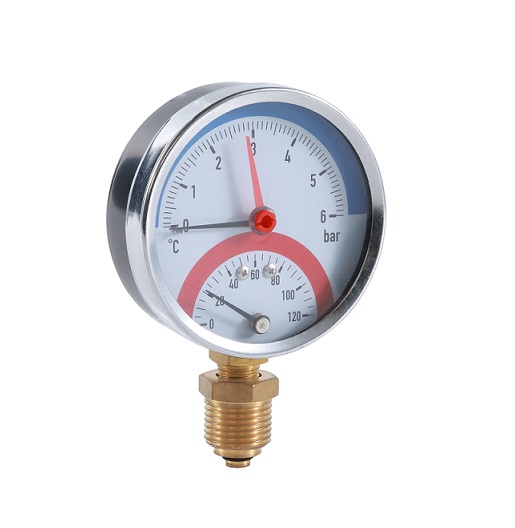
Copper Alloy Adapters: Good thermal conductivity, relatively inexpensive, suitable for general industrial applications.
Plastic Adapters: Lightweight and corrosion-resistant, commonly used for low-pressure and non-corrosive media.
Classification by Connection Method:
Threaded Connection: Commonly used for connecting pipes and pressure gauges; select the appropriate thread type according to standards (e.g., NPT, BSP).
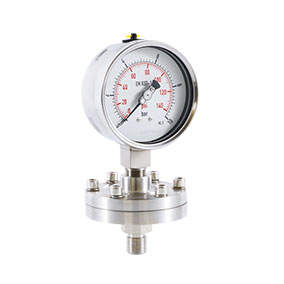
Flanged Connection: Suitable for large equipment and high-pressure applications, providing a more stable connection.
Quick Couplings: Facilitate quick disassembly and installation, suitable for applications requiring frequent equipment changes.
Classification by Application Area:
Industrial Adapters: Used in heavy industry and manufacturing, emphasizing durability and reliability.
Laboratory Adapters: High precision, typically used in research and laboratory environments, requiring high sealing and material purity.
III. How to Choose the Right Pressure Gauge Adapter?
When selecting a suitable pressure gauge adapter or Stainless Steel Pressure Gauges Adapter, several key factors need to be considered:
Media Type:First, identify the nature of the measured medium (liquid, gas, corrosive, or non-corrosive). For corrosive media, choose corrosion-resistant materials (such as stainless steel or special alloys).
Pressure Range:Select an adapter based on the pressure range of the actual application, ensuring it can withstand the maximum working pressure without deformation or breakage.
Connection Method:Select the adapter’s connection method based on the equipment interface, ensuring compatibility with existing systems. For example, if the pipeline uses a threaded connection, select a corresponding threaded adapter.
Temperature Conditions:Consider the temperature range of the operating environment and select an adapter that can operate normally within that temperature range to prevent material performance degradation due to high or low temperatures.
Operating Environment:Confirm whether the adapter requires special features such as waterproofing, dustproofing, or explosion-proofing to adapt to different operating environments.
Brand and Quality:Choosing products from well-known brands usually provides better quality assurance and after-sales service, reducing problems during subsequent use.
Selecting the right pressure gauge adapter is crucial for ensuring the accuracy of pressure measurements and the safety of the equipment. By understanding the working principles, classifications, and applications of adapters, and combining this with your actual needs, you can make an informed decision. Among numerous market brands, it is essential to pay attention to key factors such as material quality, connection methods, and environmental adaptability to ensure the efficient and stable operation of your equipment. We hope this article will assist you in your selection and contribute to more efficient measurement work.