



What Are the Key Precautions for Using Pressure Transmitters in Industrial Applications?
Time of Release : 2026-09-10


Pressure transmitters are among the most widely used instruments in industrial process control, converting physical pressure signals into standardized electrical outputs for monitoring, control, and safety systems. However, even the highest-quality pressure transmitter can deliver inaccurate readings or fail prematurely if proper precautions are not observed during installation, operation, and maintenance. In applications ranging from petrochemical processing to water treatment, power generation, and food and beverage production, the correct use of pressure transmitters directly affects measurement accuracy, system safety, and long-term reliability. This article outlines the essential precautions that engineers, technicians, and maintenance teams should follow to maximize the performance and service life of their pressure transmitters.
What Installation and Mounting Precautions Should Be Taken?
Proper mechanical installation is the foundation of reliable pressure measurement. Before installation, always verify that the transmitter’s pressure range, output signal, and wetted materials match the process requirements. Never install or remove a transmitter while the process line is pressurized — always isolate the line, depressurize it, and follow lockout/tagout (LOTO) procedures to prevent accidental valve opening.
When mounting the transmitter, choose a location that minimizes vibration, extreme temperature fluctuations, and direct mechanical shock. Vibration from pumps, compressors, or heavy machinery can cause zero-point drift and shorten sensor life; use mounting brackets or vibration-damping adapters if necessary. For liquid applications, install the pressure tap on the side of the pipeline rather than the top or bottom, preventing sediment accumulation and trapped gas pockets. For gas applications, install the tap on the top of the line so that any condensate can drain back into the process.
Impulse lines (the tubing connecting the process to the transmitter) should be kept as short and straight as possible, with a slope of at least 1:12. For liquid service, slope the line upward from the process tap to the transmitter; for gas service, slope it downward. This prevents condensate or sediment from accumulating and causing measurement errors. Always use appropriate sealing materials — such as PTFE tape or liquid thread sealant — on process connections, but avoid over-tightening, which can damage the threads or distort the diaphragm.
How Do You Ensure Medium Compatibility and Protect the Sensor Diaphragm?
The wetted parts of a pressure transmitter come into direct contact with the process medium, and material incompatibility is one of the most common causes of premature failure. For general media such as air, water, hydraulic oil, and non-corrosive gases, 316L stainless steel diaphragms and process connections are typically sufficient. However, for corrosive media — including acids, alkalis, chlorides, and certain chemical solutions — standard stainless steel will corrode over time. In these cases, specify transmitters with Hastelloy, Monel, tantalum, or PTFE-coated diaphragms, or use remote diaphragm seals (chemical seals) to isolate the sensitive sensor from the aggressive medium.
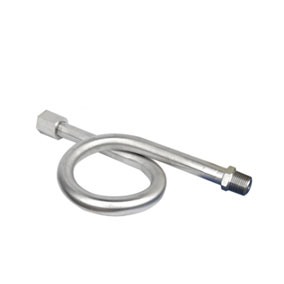
High-temperature media require special attention. Standard pressure transmitters are generally rated for process temperatures up to 80–120°C. For applications involving steam, hot oil, or other high-temperature fluids above this range, install a siphon (condensate loop) or cooling element between the process tap and the transmitter. The siphon fills with condensate, which acts as a heat barrier, protecting the sensor and electronics from excessive heat. Never expose a standard transmitter to temperatures beyond its rated range, as this can permanently damage the sensor element and electronic components.
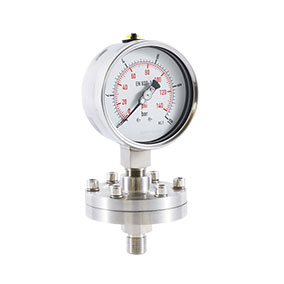
Viscous media, slurries, and easily crystallizing liquids can clog impulse lines and coat the diaphragm, leading to slow response or blocked measurements. For these applications, choose a flush-diaphragm (sanitary) design or a remote diaphragm seal with a capillary, which eliminates the need for long impulse lines and allows easier cleaning. Avoid using standard threaded transmitters with narrow pressure ports for media that contain solid particles.
What Electrical Wiring Precautions Are Critical for Stable Signal Output?
Electrical installation errors are a leading cause of unstable readings, signal interference, and even transmitter damage. Always connect the transmitter power supply and signal wiring according to the manufacturer’s diagram, and ensure the power is switched off before making any connections. For 4–20 mA two-wire transmitters, verify that the loop supply voltage is within the specified range (typically 12–36 VDC) and that the total loop resistance — including the receiver, wiring, and any barrier devices — does not exceed the maximum allowable load.
Use shielded twisted-pair cable for all signal wiring to minimize electromagnetic interference (EMI). Run the signal cable in a separate conduit from high-voltage power lines, motor wiring, or variable-frequency drive (VFD) cables; if they must cross, do so at a 90-degree angle to minimize coupling. Ground the shield at one end only — usually at the control cabinet or receiver end — to avoid ground loops, which can introduce noise and measurement drift.
Seal all cable entries and unused conduit openings with waterproof fittings or sealing plugs to prevent moisture ingress. Moisture inside the transmitter housing can cause corrosion, short circuits, or condensation on the printed circuit board, leading to intermittent faults or complete failure. In outdoor or washdown environments, ensure the transmitter enclosure meets at least IP65 or IP67 ratings, and position the cable entry facing downward to allow water to drain away.
For hazardous area installations, use intrinsically safe barriers or explosion-proof enclosures as required by the area classification (ATEX, IECEx, FM, or CSA). Never install a non-approved transmitter in a classified hazardous area. Ensure the housing cover is properly tightened after wiring — for explosion-proof models, a loose cover compromises the flameproof rating.
How Should You Protect the Transmitter from Adverse Environmental Conditions?
Environmental factors have a significant impact on long-term transmitter performance. Install transmitters in locations with minimal temperature variation. Rapid temperature changes can cause thermal gradients across the sensor, leading to temporary zero shifts. If installation near heat sources or direct sunlight is unavoidable, use a sun shield or protective cover.
In outdoor applications subject to freezing temperatures, protect the transmitter and impulse lines from freezing. Water-based media expand when frozen, which can rupture the diaphragm or crack the process connection. Use heat tracing, insulation jackets, or glycol-filled remote seals to prevent freezing in cold climates. Similarly, in hot environments, ensure ambient temperatures do not exceed the transmitter’s rated operating range.
Avoid locations with high humidity, corrosive atmospheres (such as coastal salt air or chemical fumes), or dust-laden air whenever possible. If exposure is unavoidable, choose a transmitter with a corrosion-resistant coating and appropriate ingress protection. Regularly inspect the housing for signs of corrosion, and repaint or apply protective coatings as needed.
Water hammer — the sudden pressure surge caused by rapid valve closure or pump startup — can mechanically damage the sensor diaphragm. To protect against water hammer, install pulsation dampeners or snubbers, use slow-closing valves, and avoid mounting transmitters immediately downstream of fast-acting valves or pump outlets.
What Routine Maintenance and Calibration Practices Are Recommended?
Even with correct installation, pressure transmitters require periodic maintenance to maintain accuracy over time. Establish a preventive maintenance schedule that includes regular visual inspections, functional checks, and calibration verification.
During routine inspections, check for signs of leakage at process connections, corrosion on the housing, and loose wiring connections. Inspect the cable glands and conduit seals for damage or deterioration. Verify that the output signal is stable and consistent with expected process conditions. If readings fluctuate erratically, check for moisture in the housing, loose connections, or EMI sources.
Calibration should be performed at intervals recommended by the manufacturer — typically annually for standard applications, or more frequently for critical or high-precision measurements. Calibration involves applying known reference pressures and comparing the transmitter’s output to the expected value. If zero or span drift exceeds the allowable tolerance, recalibrate using the manufacturer’s procedure (either via the local pushbuttons, a HART communicator, or an external calibration instrument). Always perform calibration with the process line isolated and depressurized.
When cleaning the diaphragm or process connection, use only soft, non-abrasive materials and compatible cleaning solvents. Never use sharp objects or wire brushes on the diaphragm, as even minor dents can change the sensor’s calibration. For sanitary applications, follow approved CIP/SIP procedures to avoid damaging the diaphragm or seal materials.
What Safety Considerations Must Be Observed During Operation and Maintenance?
Safety is paramount when working with pressure transmitters, especially in high-pressure, high-temperature, or hazardous process environments. Always wear appropriate personal protective equipment (PPE), including safety glasses, protective gloves, and, where required, hard hats and chemical-resistant clothing. Before opening any process connection, verify that the line is fully depressurized and that the isolation valves are locked closed.
For oxygen service, only use transmitters that have been specifically cleaned and packaged for oxygen duty. Oil, grease, or other contaminants can ignite spontaneously in high-pressure oxygen environments, causing severe injury or equipment damage. Similarly, for applications involving flammable or toxic media, ensure the transmitter and its installation are appropriate for the hazard, and follow all site-specific safety procedures.
Never attempt to disassemble or repair the transmitter’s sensor element on-site. Pressure transmitters are precision instruments calibrated under controlled conditions; field disassembly will void the warranty and likely render the unit inaccurate. If the transmitter fails calibration or exhibits abnormal behavior, contact the manufacturer or an authorized service center for repair or replacement.
Conclusion
Pressure transmitters are critical components in industrial process control, and their reliability depends as much on proper installation, use, and maintenance as on their inherent design quality. By following the precautions outlined above — ensuring correct mounting and impulse line layout, selecting compatible wetted materials, practicing sound electrical wiring and grounding, protecting against adverse environmental conditions, and adhering to a regular maintenance and calibration schedule — users can maximize measurement accuracy, extend transmitter service life, and reduce unplanned downtime.
At An Hui Exact Instrument Co., Ltd., we specialize in the design and manufacture of high-quality pressure measuring instruments, including pressure gauges, digital indicators, and related accessories. With over 20 years of industry experience, we are committed to providing reliable measurement solutions and expert technical support to customers worldwide. Whether you need guidance on product selection, installation best practices, or maintenance procedures, our engineering team is ready to help you achieve optimal performance from your pressure measurement applications.